
Choosing between SQL Public Cloud and Private Cloud: Which is right for your business?
As an increasing number of Malaysian companies embrace cloud-based financial systems, it becomes crucial to understand the different deployment models of SQL Account Cloud. SQL offers two primary versions: SQL Public Cloud and SQL Private Cloud. While both versions provide the same robust accounting features, they vary in terms of setup, cost, control, and management.
Here is an explanation of how each model operates, comparing their strengths and limitations, and helping you determine which option best aligns with your organization’s operational style.
What Is SQL Public Cloud and How It Works?
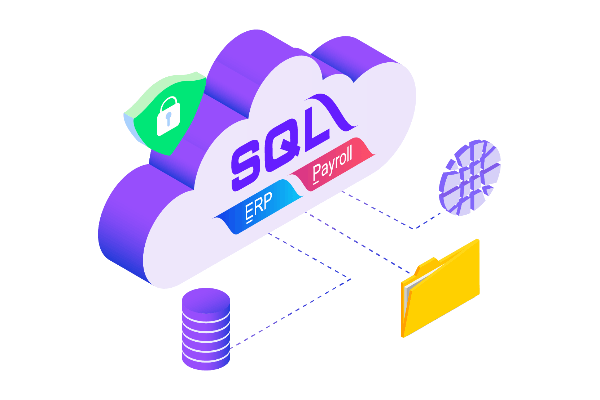
The SQL Public Cloud is a fully hosted service maintained by SQL’s professional team. It runs through a monthly subscription plan and allows users to access their system online without installing hardware or configuring networks.
The main appeal of the Public Cloud is its simplicity. SQL handles all server updates, backups, and security automatically. Businesses only need a web browser and an internet connection to start managing their accounts.
This model suits small and medium enterprises that want fast implementation and minimal technical maintenance. It ensures data security, automatic upgrades, and easy access from any device connected to the internet.
What Is SQL Private Cloud and How It Works?
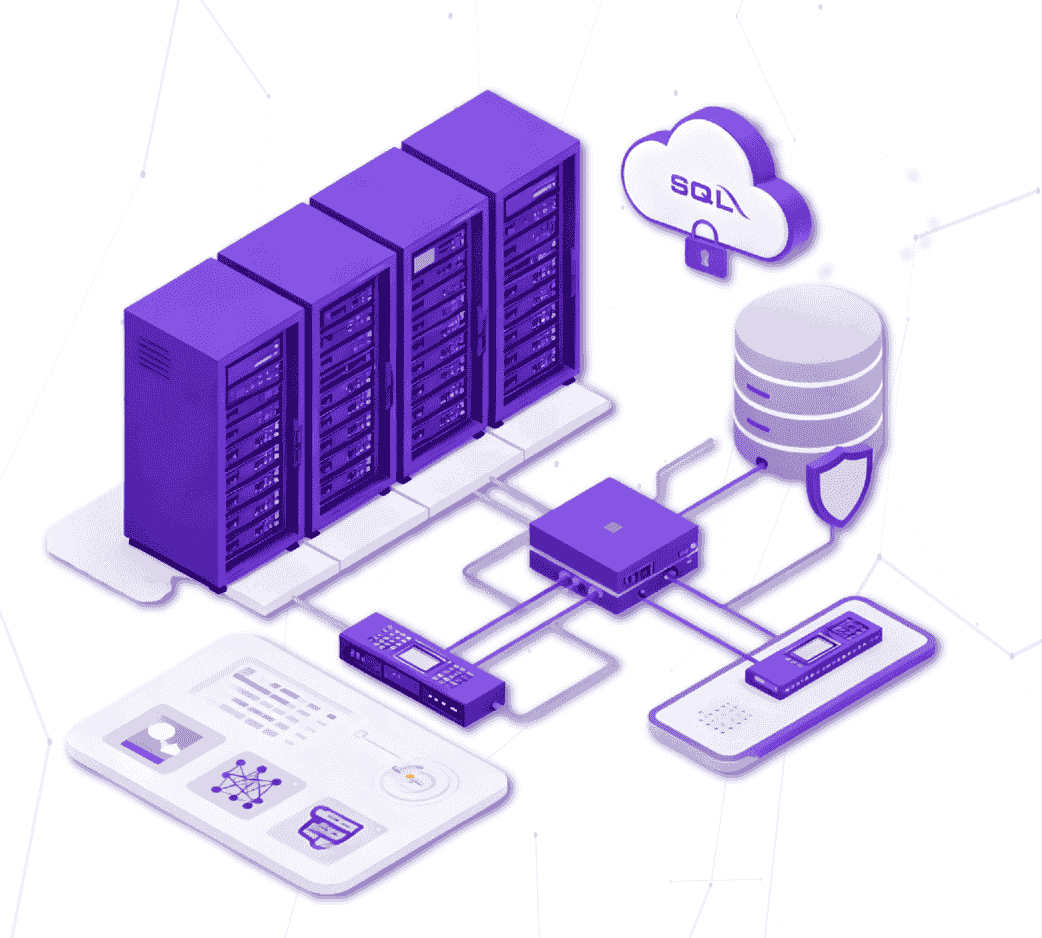
The SQL Private Cloud is designed for companies that want full control over their accounting environment. Instead of hosting the software on SQL’s servers, it is installed and managed within the company’s own infrastructure.
It involves a one-time payment rather than monthly subscriptions. The Private Cloud also offers hybrid functionality, users can log in through a browser when working remotely or use a local installation when offline. This ensures uninterrupted operation even if the internet goes down.
This model is best for businesses that value ownership, offline reliability, and long-term cost efficiency. However, it may require internal or outsourced IT expertise for installation, updates, and security management.
Comparison Between SQL Public Cloud and SQL Private Cloud
The table below highlights the main differences between SQL Public Cloud and SQL Private Cloud:
| FEATURES | SQL PUBLIC CLOUD | SQL PRIVATE CLOUD |
|---|---|---|
| HOSTING LOCATION | Hosted by SQL on professionaly managed servers | Hosted internally by the company within its own environment |
| PAYMENT TYPE | Monthly subscription fee | One-time payment with no recurring charges |
| INTERNET REQUIREMENT | Requires stable internet connection | Can operate both online and offline through hybrid mode |
| MAINTENANCE | Managed entirely by SQL | Managed by the company's IT team or appointed vendor |
| HARDWARE REQUIREMENT | No hardware or network configuration needed | May require local server or internal infrastructure |
| DATA CONTROL | Data secuirty and backup managed by SQL | Full control over data, backup, and access policies |
| EASE OF USE | Simple setup and quick activation | Requires initial configuration and technical setup |
| SCALABILITY | Easily scalable by adjusting subscription plan | Scalability depends on company's hardware capacity |
| OFFLINE FUNCTION | Not available | Fully supported for continuous operation |
| LONG TERM COST | Continuous subscription payments | Higher intial cost but lower long-term expense |
Benefits Shared by Both Public and Private Clouds
The table below presents a practical summary of considerations that can help business owners decide between SQL Public Cloud and SQL Private Cloud.
| SHARED BENEFITS | OVERVIEW |
|---|---|
| COMPREHENSIVE ACCOUNTING FUNCTIONS | Both versions include full accounting features such as invoicing, payroll, inventory control, and financial reporting. |
| UNLIMITED TRANSACTIONS AND DATABASE OWNERSHIP | Each platform allows unlimited invoices and ensures that the company retains full ownership of its data. |
| SST AND E-INVOICE COMPLIANCE | Both are developed to comply with Malaysia's SST framework and are ready for the national e-invoice system scheduled for 2026. |
| DATA SECURITY AND BACKUP | SQL applies strong encryption and backup systems to protect financial data in both models. |
| LOCAL CUSTOMER SUPPORT | Users from either version can reach SQL's Malaysian-based support team for assistance on configuration or troubleshooting. |
Which One Should You Choose?
The table below presents a practical summary of considerations that can help business owners decide between SQL Public Cloud and SQL Private Cloud.
| BUSINESS CONDITION | RECOMMENDED OPTION |
|---|---|
| Limited IT resources and preference for simplicity | SQL PUBLIC CLOUD |
| Need for offline access and complete control | SQL PRIVATE CLOUD |
| Desire for low upfront cost with flexible monthly budgeting | SQL PUBLIC CLOUD |
| Preference for one-time investment with long-term savings | SQL PRIVATE CLOUD |
| Operations spread across multiple locations with stable internet | SQL PUBLIC CLOUD |
| Confidential or sensitive data requiring local storage | SQL PRIVATE CLOUD |
Choosing the Best Between SQL Public Cloud and Private Cloud
Both SQL Public Cloud and SQL Private Cloud offer reliable, Malaysian-built solutions that combine convenience, compliance, and powerful functionality. The Public Cloud delivers effortless setup and automated maintenance, while the Private Cloud provides control, independence, and offline reliability.
Selecting the right model depends on your business structure, digital readiness, and budget strategy. Regardless of choice, SQL Cloud Accounting empowers Malaysian businesses to work smarter, stay compliant, and prepare for the next stage of digital transformation.